
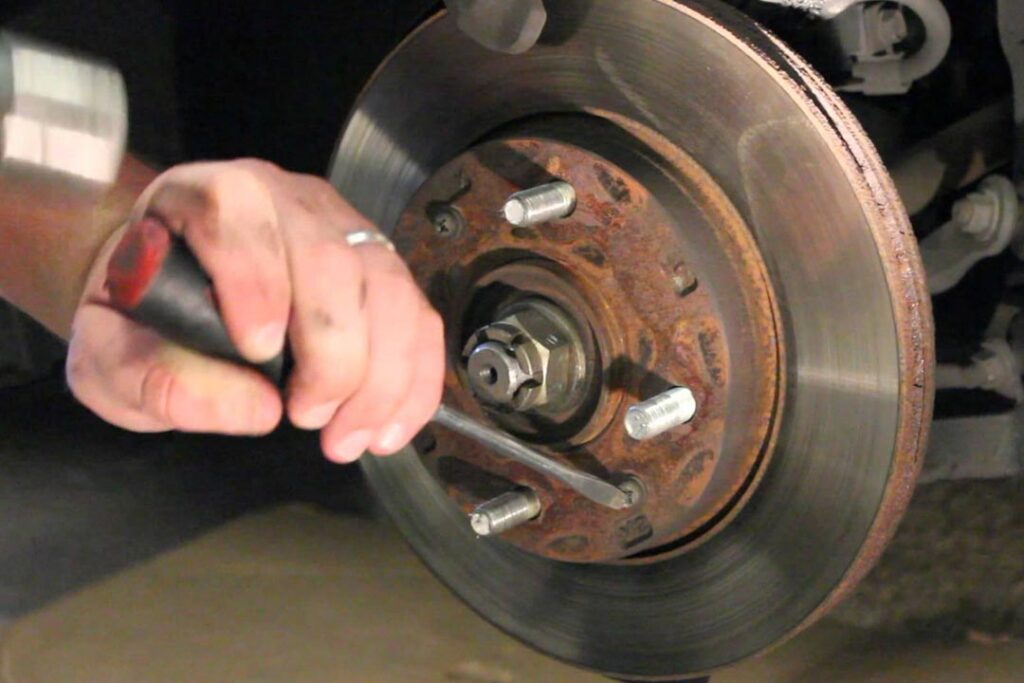
Your brakes work every time you slow for traffic, approach an intersection or respond to something unexpected on the road. Because brake components wear gradually, changes in performance can be easy to overlook until they become more noticeable. Drivers who need brake repairs in Oakleigh will often experience warning signs before a serious braking problem develops. Noises, vibration, changes in pedal feel and increased stopping distance can all indicate that part of the braking system needs attention. Knowing what to watch for can help you arrange an inspection earlier, reduce the likelihood of additional component damage and keep your vehicle responding predictably during everyday Melbourne driving.
1.Your Brakes Have Started Making Unusual Noises
One of the most common signs of brake wear is a noise that was not there before. Squealing, scraping or grinding when you apply the brakes should not simply be accepted as normal vehicle ageing.
A high-pitched squeal may be related to brake pad wear, although brake noise can have several causes. Grinding is generally more concerning because it can occur when friction material has worn significantly and metal components begin making contact.
Brake noise can also result from contamination, uneven wear or problems with the rotor surface. Because different faults can sound similar from inside the vehicle, the safest approach is to have the braking system inspected rather than trying to identify the exact component yourself.
A qualified brake specialist in Melbourne can examine the pads, rotors and associated braking components to determine where the noise is coming from and whether immediate repair is required.
Catching wear early can sometimes prevent damage to other parts of the braking system.
2. The Brake Pedal Feels Different
Drivers become familiar with how their vehicle normally feels, so changes at the brake pedal are worth paying attention to. A pedal that suddenly feels unusually soft, spongy, hard or requires more travel than usual should be investigated.
A soft pedal can potentially be associated with hydraulic system issues, brake fluid concerns or other faults. A noticeably harder pedal can also indicate that something within the braking system is not operating normally.
The important point is that pedal feel should generally remain consistent. If you find yourself pressing further than usual to achieve the same braking response, do not wait until the change becomes more severe.
Modern braking systems contain several components working together, including hydraulic parts, pads, discs and electronic safety systems. A workshop inspection allows these areas to be checked systematically.
BrakeTech has provided brake, mechanical and automotive care to Melbourne motorists for more than 40 years, working across passenger, European and 4WD vehicles.
3. You Feel Vibration When Slowing Down
Vibration through the steering wheel or brake pedal when slowing down can be distracting, but it may also indicate that something needs attention.
Brake rotors are designed to provide a consistent surface for the pads to contact. Over time, heat, wear and repeated braking can affect the rotor surface. In some circumstances, this may contribute to pulsation or vibration under braking.
However, not every vibration is caused by the brakes. Tyres, wheel alignment, steering and suspension problems can create similar sensations.
This is why proper diagnosis matters. Replacing brake components without confirming the source of the vibration may not solve the problem.
Drivers should take note of when the vibration occurs. Does it happen only when braking? Is it stronger at higher speeds? Does the steering wheel move as well as the pedal? Providing this information to a mechanic can help with diagnosis and lead to a more accurate inspection.
4. Your Vehicle Takes Longer to Slow Down
A gradual increase in stopping distance can be difficult to recognise because drivers often unconsciously adjust their behaviour to compensate. You may begin braking earlier without realising that the vehicle is taking longer to slow.
Several factors can affect stopping performance, including brake condition, tyres, road surface, vehicle load and weather. If the change appears to come from the vehicle itself, it should be checked.
This becomes particularly important in Melbourne’s stop-start traffic, where motorists frequently need to adjust their speed and respond to changing conditions.
Regular inspections can help identify worn brake pads, rotor problems or other braking concerns before performance deteriorates further.
Vehicles carrying additional weight also place greater demands on their braking systems. This is relevant to four-wheel drives used for touring or towing, as well as vehicles carrying equipment or accessories.
Brake condition should therefore be considered as part of overall vehicle maintenance rather than only when a dashboard warning appears.
6. Your Vehicle Pulls to One Side Under Braking
A vehicle should generally remain stable and predictable when braking on a level road. If it consistently pulls towards one side when you apply the brakes, the cause should be investigated.
Uneven braking can sometimes be related to differences in brake pad wear, caliper operation or another braking fault. However, tyre condition, suspension wear and wheel alignment can also influence the way a vehicle tracks.
This means the symptom needs to be assessed in context rather than assuming the brakes are automatically responsible.
Four-wheel drives deserve particular attention because suspension modifications, heavier loads and off-road use can influence handling and component wear. BrakeTech works with touring, towing and off-road vehicles through its 4WD specialist capability, including suspension, driveline and pre-trip checks.
If pulling occurs suddenly or becomes pronounced, arrange an inspection rather than continuing to compensate for it while driving.
6. A Brake Warning Light Appears
Dashboard warning lights are designed to alert drivers when a monitored system requires attention. Depending on the vehicle, a brake-related warning can be associated with the parking brake, brake fluid level, anti-lock braking system or another monitored component.
The meaning of the light varies between vehicles, so the owner’s manual is a useful first reference.
Some warning lights may indicate relatively straightforward issues, while others require diagnostic testing. What matters is not ignoring a warning simply because the car still appears to stop normally.
Electronic systems are increasingly integrated with braking and stability functions, which means modern diagnosis can involve both mechanical inspection and electronic fault checking.
A warning light that remains illuminated, appears repeatedly or is accompanied by changes in braking performance deserves professional assessment.
Similarly, if several warning lights appear together, avoid guessing which component needs replacement. Correct testing can reduce unnecessary repairs and help identify the actual source of the fault.
7. Braking Feels Different After Modifying Your 4WD
Four-wheel drive modifications can change vehicle weight, ride height and handling characteristics. Suspension upgrades, accessories, towing equipment and larger touring loads should all be considered when assessing how a modified vehicle behaves.
For example, professional 4×4 lift kit installation involves more than simply increasing ground clearance. Suspension geometry, alignment and the overall vehicle setup need to be considered when fitting a lift kit. BrakeTech advises that its lift-kit work considers vehicle use, load management and relevant Victorian requirements.
After modifications, drivers should pay attention to any significant change in steering, braking or stability. New vibration, pulling, unusual noises or uneven tyre wear may indicate that further inspection or adjustment is required.
This does not mean a lift kit itself is causing a brake problem. Rather, changes to a vehicle should be followed by appropriate checks to make sure the overall setup continues to operate as intended.
Do Not Wait for Brake Problems to Become Severe
Brakes rarely benefit from being ignored. A small change in noise, pedal feel or braking response may be the first sign that a component is wearing or that another part of the vehicle needs inspection.
Regular maintenance gives mechanics an opportunity to measure brake wear and check related components before a problem becomes more disruptive. Drivers should also pay attention between scheduled visits rather than assuming everything is fine until the next service date.
If you notice grinding, vibration, pulling, a warning light or a change in stopping performance, have the vehicle checked rather than relying on guesswork.
BrakeTech provides brake inspections and mechanical care for motorists across Melbourne from its workshop at 1523 Dandenong Rd, Oakleigh VIC 3166. The business also works with passenger, European and 4WD vehicles.
Arrange a Brake Inspection
If your brakes no longer feel or sound the way they normally do, an early inspection can help determine what needs attention before the problem progresses.
BrakeTech assists motorists travelling from Moorabbin, Burwood , Brighton, Ashwood, Armadale and surrounding Melbourne suburbs with brake and mechanical requirements.
Call 03 9568 1000 to discuss the symptoms you have noticed or arrange an inspection at 1523 Dandenong Rd, Oakleigh, VIC 3166.